One description, not a string of calls
Explain the leak, the shingle damage, or what you noticed after the last storm once. We connect you with a local contractor who works on this kind of roof repair.
Serving Lawrenceville, Georgia & surrounding areas
Calls answered around the clock
Describe the leak or damage once and we will connect you with a local roofing contractor who handles repairs in your area.
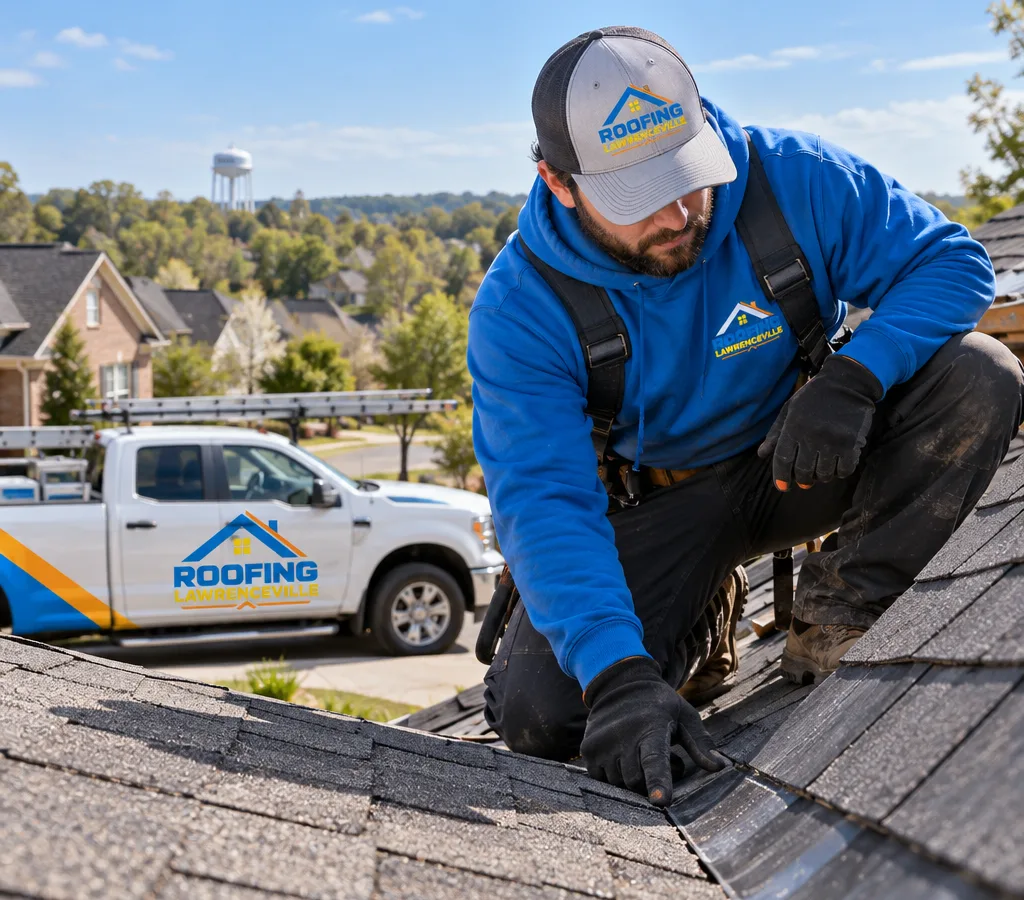
When people search for Lawrenceville GA roof repair, they are usually dealing with one of two things: water getting where it should not, or roof materials that have moved, cracked, or worn out. Roof repair is the work of finding the entry point, confirming what is damaged underneath, and restoring the roof so it sheds water the way it was designed to.
A local roofer typically starts by separating the symptom from the cause. A ceiling stain might show up in a bedroom, but the water could be entering higher up the roof, traveling along decking, and dripping at a seam. A contractor will look at the roof surface—shingles, vents, pipes, flashing, ridge, and valleys—and then confirm what is happening under the shingles where needed.
Common roof repair work in Lawrenceville includes:
North Georgia weather can be hard on roofs. Strong thunderstorms, wind-driven rain, and falling limbs can turn a small weakness into an active leak. If you have water showing indoors, the goal is to stop the intrusion and then make sure the repair ties back into the surrounding materials so it does not become the next weak spot.
Roofing Lawrenceville connects homeowners with independent roofers who do roof repair in the Lawrenceville area. You describe what you are seeing once, and then you talk directly with the contractor who can evaluate and handle the repair.
Explain the leak, the shingle damage, or what you noticed after the last storm once. We connect you with a local contractor who works on this kind of roof repair.
You discuss the problem directly with the contractor, ask questions, and decide whether to move forward based on their inspection and scope.
The contractors we connect you with serve Lawrenceville and nearby communities, which matters when the job needs an in-person look at the roof.
A solid roof repair conversation covers the suspected entry point, the repair method—patch, replace, or reflash—and what adjacent materials may need attention.
Roofs are systems: shingles, underlayment, flashing, ventilation, and penetrations. The right repair addresses the system detail that failed, not just the symptom.
Share where the leak shows up, when it happens—heavy rain, wind, or steady drizzle—and anything visible outside like missing shingles or lifted ridge caps.
Based on the type of problem, we route your call to a contractor who handles roof repair in the Lawrenceville, GA area.
Expect questions about roof age, roofing type, and past repairs. The contractor will outline what they believe is causing the issue and what it takes to fix it.
You get the scope and terms from the contractor and decide what makes sense for your home.
If you have a leak, missing shingles, or storm damage, describe the problem once and get connected with a Lawrenceville-area roofer who can evaluate the repair.
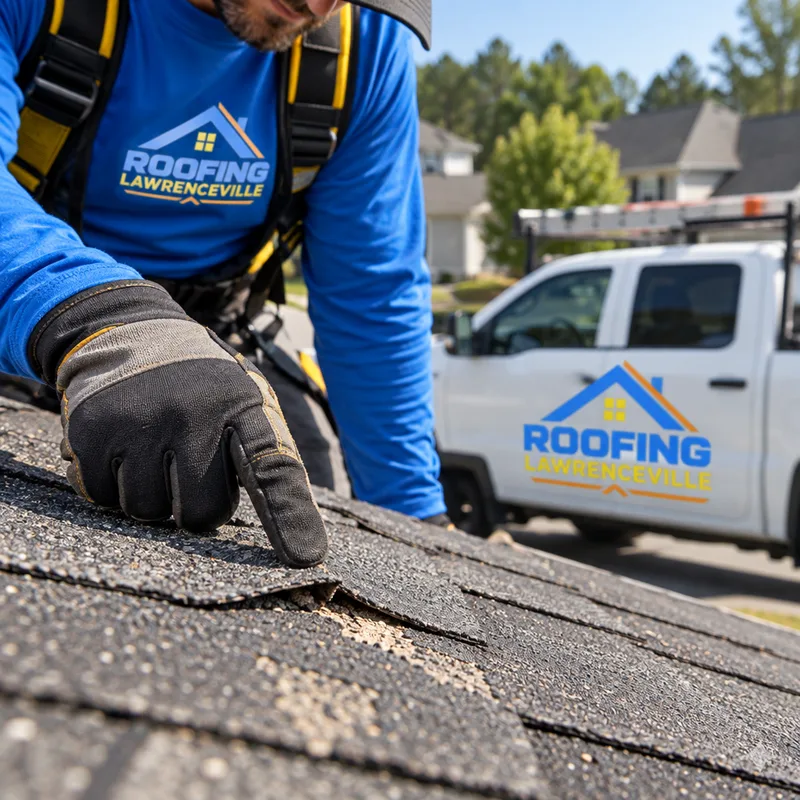
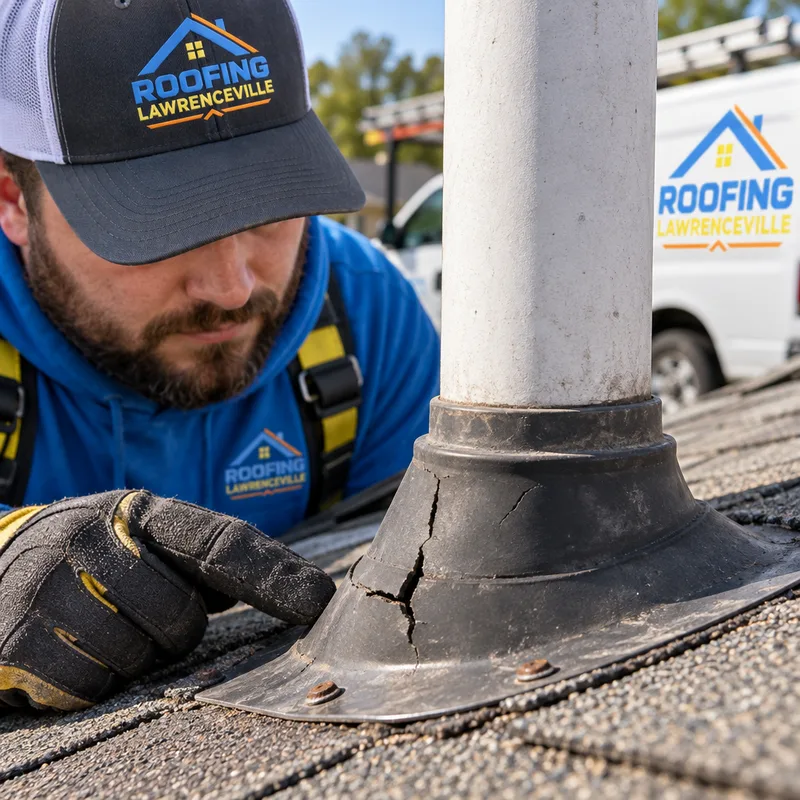
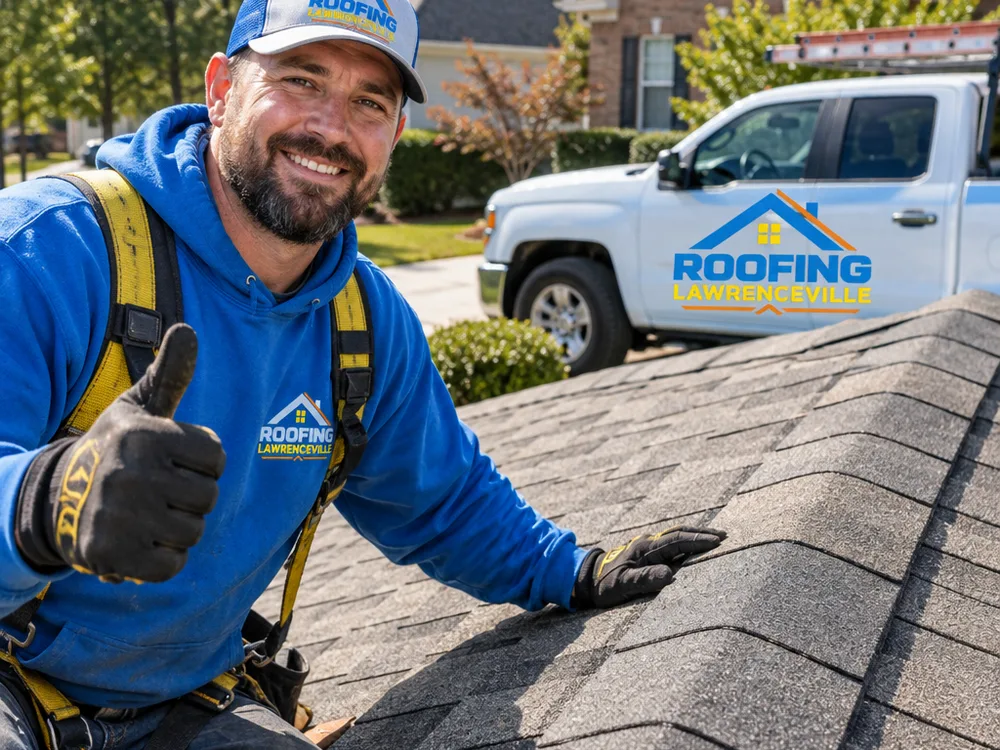
A roofer tracks a leak by inspecting likely entry points such as flashing, penetrations, valleys, and the ridge, then confirming the path water takes under the roof surface. Water can travel along decking or framing before appearing as a ceiling stain.
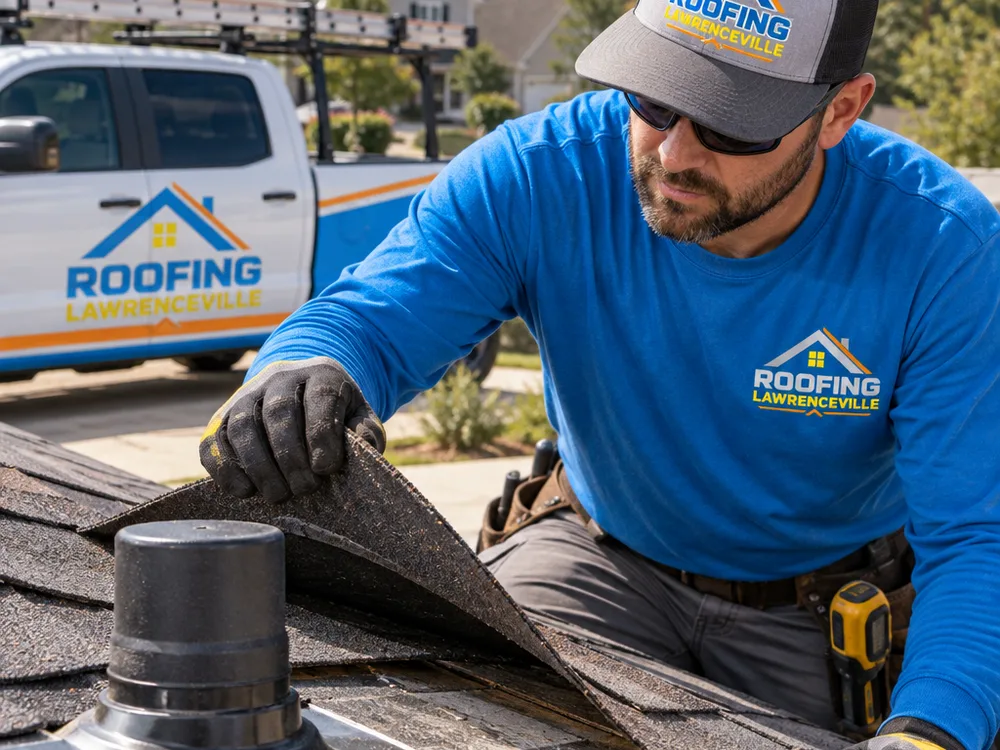
Replacing missing or damaged shingles is often a roof repair when the surrounding shingles can be lifted and resealed and the decking underneath is sound. A contractor will also check why the shingles came off so the cause can be addressed.
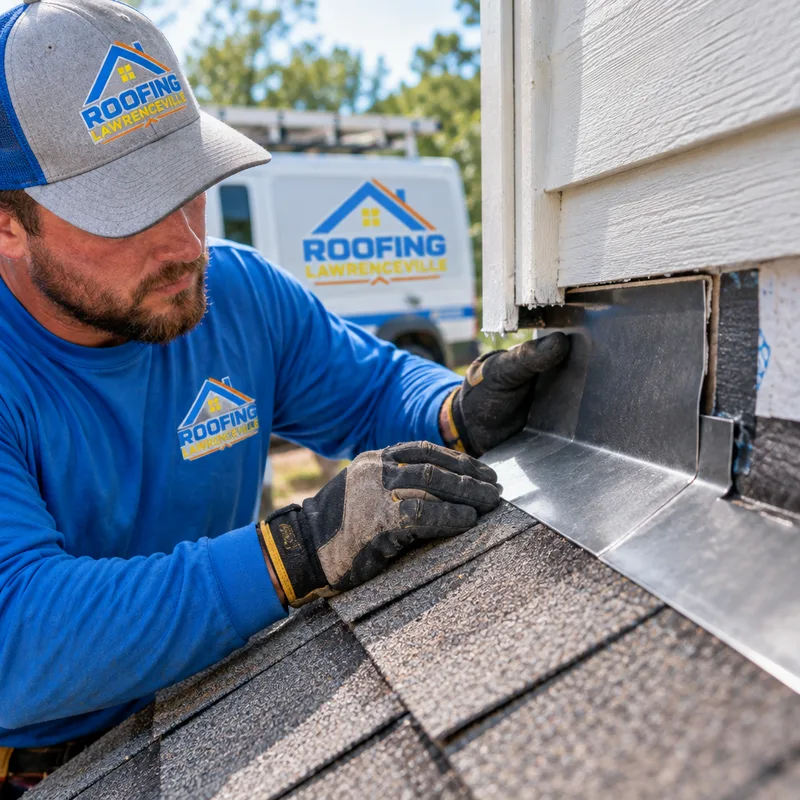
Leaks commonly start where the roof is interrupted or changes direction: pipe boots, attic vents, chimneys, skylights, valleys, and wall flashing. These areas depend on correct underlayment and metal-flashing layers.
Share what you see inside, what weather triggers it, and anything visible outside, such as missing shingles, lifted ridge caps, or debris impact. If you know the roof type and approximate age, mention those details too.
Yes. Water can enter above or beside the roof surface, especially near eaves and wall intersections. A roofer may inspect drip edge, fascia, step flashing, and gutter discharge to identify the actual entry point.
Often, attic access helps reveal wet decking, nail pops, staining, and the route water is taking. It can also help distinguish a roof leak from ventilation or condensation issues.
Ask what they believe is the entry point, which materials will be replaced, and how the repair will tie into the surrounding roof so water sheds correctly. You can also ask what terms apply to their work and what maintenance they recommend afterward.
If you are dealing with a leak, shingle damage, or storm-related roof issues, call Roofing Lawrenceville and describe what is happening once. We will connect you with a local roofing contractor who can take it from there.