Decking condition
Soft spots, rot at eaves, and delamination around old leaks are addressed before new materials go on. Roofing over bad decking can shorten the life of the new roof.
Serving Lawrenceville, Georgia & surrounding areas
Calls answered around the clock
Describe what's happening with your roof once and we'll connect you with a local Lawrenceville contractor who handles roof replacements.
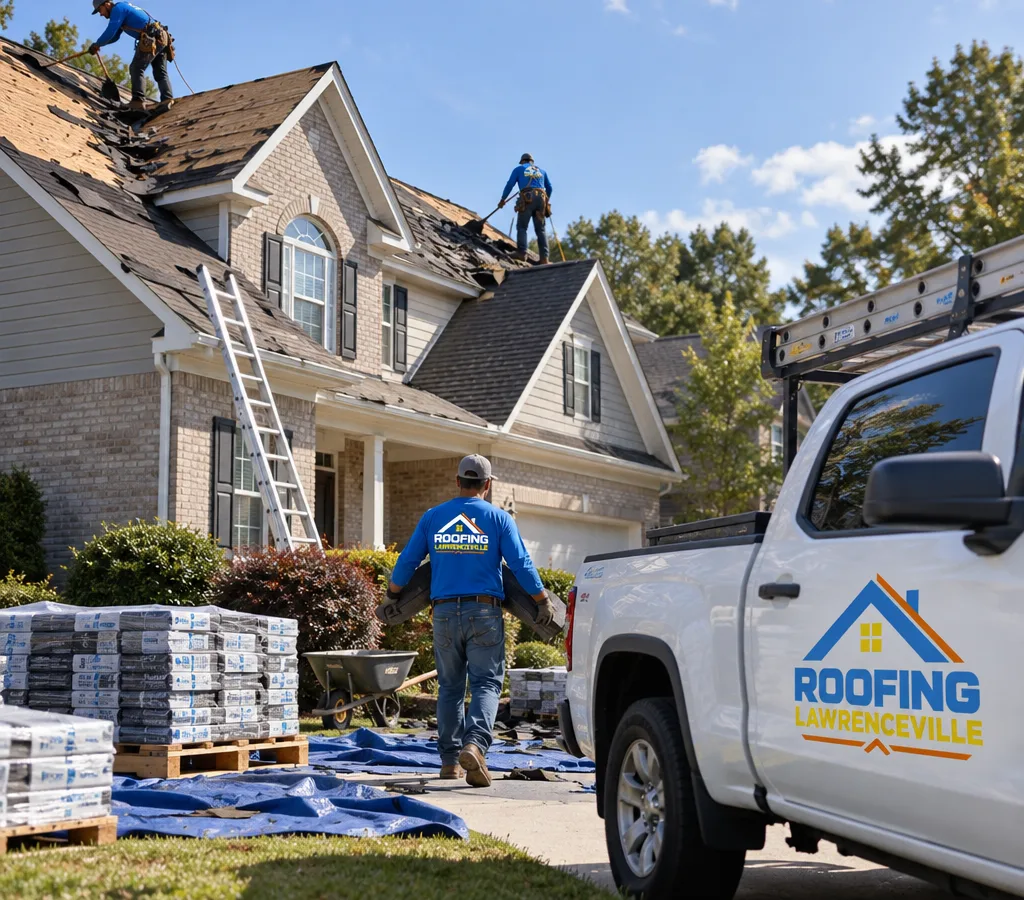
If you're searching for roof replacement Lawrenceville, you're usually trying to answer two questions: do you really need a full replacement, and what should you expect once the work starts.
A roof replacement—a full tear-off and reroof—typically includes removing the existing roofing down to the deck, inspecting the plywood or OSB sheathing, replacing damaged sections, installing underlayment and flashing, and then installing the new roof covering. Architectural asphalt shingles are a common choice in Gwinnett County. A contractor may also address ventilation details such as ridge exhaust and soffit intake so the attic can release heat and moisture.
In Lawrenceville, heavy rain and wind-driven storms can influence the replacement scope. Water may appear far from its entry point after traveling along underlayment, decking seams, or flashing. A replacement quote should follow an inspection of valleys, pipe boots, chimney or wall flashing, and the roof-to-gutter drip edge.
You do not need to become a roofing expert to get started. Describe what you see—leaks, missing shingles, sagging areas, granules in gutters, or the roof's age if known—and get connected with a local contractor who can inspect your roof and explain the options.
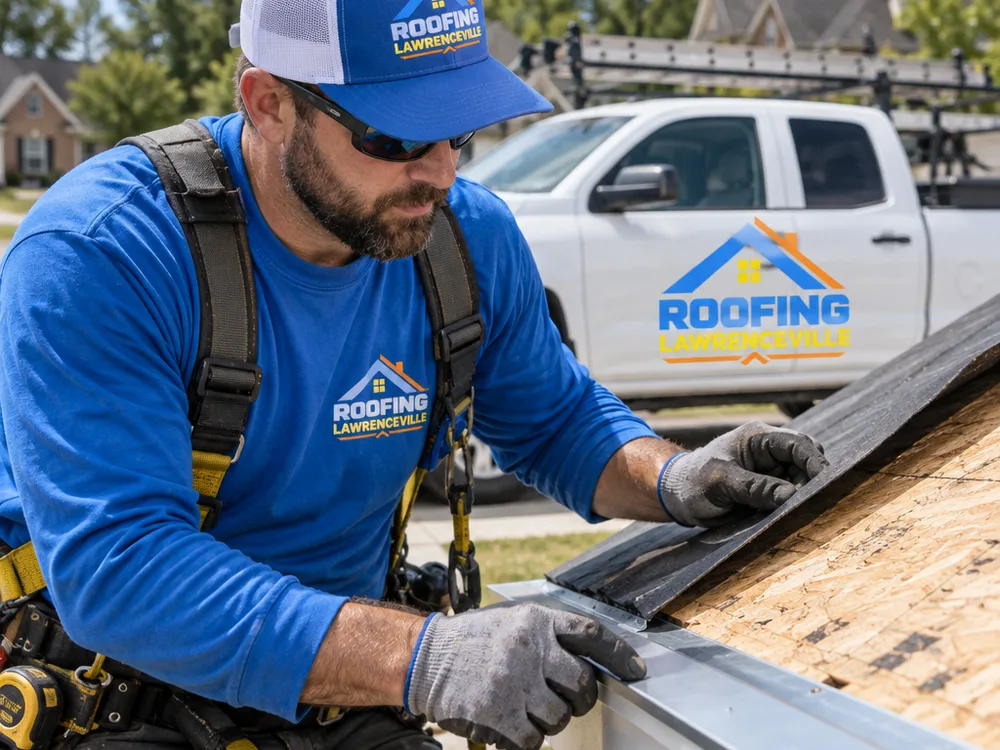
Soft spots, rot at eaves, and delamination around old leaks are addressed before new materials go on. Roofing over bad decking can shorten the life of the new roof.
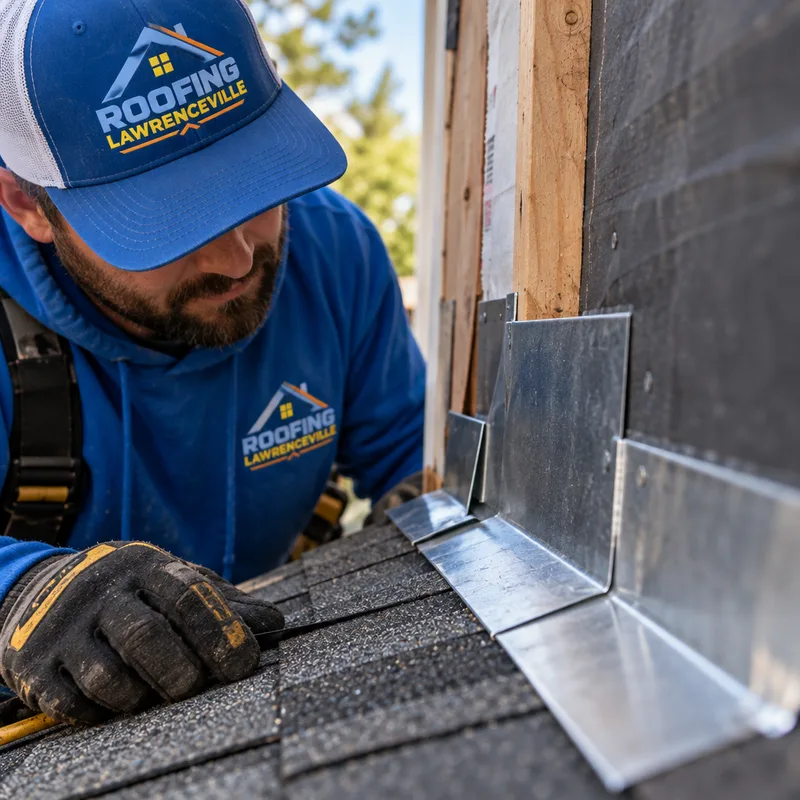
Chimneys, step flashing at walls, pipe boots, skylights, and valleys are common leak points. Replacement is the time to rebuild these details correctly.
A contractor should talk through intake and exhaust ventilation, not just shingle color. Poor ventilation can contribute to heat and moisture problems in the attic.
Options may include synthetic underlayment and self-adhered membrane at vulnerable areas such as valleys, eaves, and penetrations. Proper placement matters.
Roof edges and gutter tie-ins affect how water sheds. Replacement also provides an opportunity to identify overflow points and splash-back that can stain siding.
Share the roof type, how long the issue has been happening, where you see water or damage, and whether any repairs were attempted.
Instead of calling around, you get connected to an independent contractor who handles roof replacement work in the Lawrenceville area.
They'll look at decking, flashing, ventilation, and material choices, then walk you through what they recommend for your roof layout.
You speak directly with the contractor, review the scope, and choose whether to proceed based on what makes sense for your home.
If your roof is past repairs or you're seeing repeat leaks, describe the situation once and get connected with a Lawrenceville contractor who can inspect and talk through replacement options.
Most replacement conversations come down to scope and materials. These are the choices that usually matter, in plain language.
A full tear-off exposes the deck so hidden damage can be found and fixed. It also provides a clean starting point for flashing and underlayment details.
Architectural shingles are a frequent choice on Lawrenceville homes. Ask how the starter strip, ridge cap, and ventilation components are handled because those details matter alongside the field shingles.
You may be offered synthetic underlayment and self-adhered membrane in leak-prone areas. Ask where those products will be installed—such as valleys, eaves, or around penetrations—and why.
Chimneys, dormers, and sidewalls need clear step-flashing and counterflashing details. A complete replacement scope should explain the approach rather than assume old metal will be reused.
Replacement may reveal blocked soffits, insufficient exhaust, or bathroom ducts terminating in the attic. The contractor can explain what may be corrected during reroofing and what would be separate work.
Ask how landscaping is protected, where debris will be staged, and how nails and metal pieces are collected. These practical details affect your driveway, yard, and pets.
If you're unsure what applies to your home, start with a simple description of the roof type and symptoms. A contractor can translate the options into a scope for your specific roof.
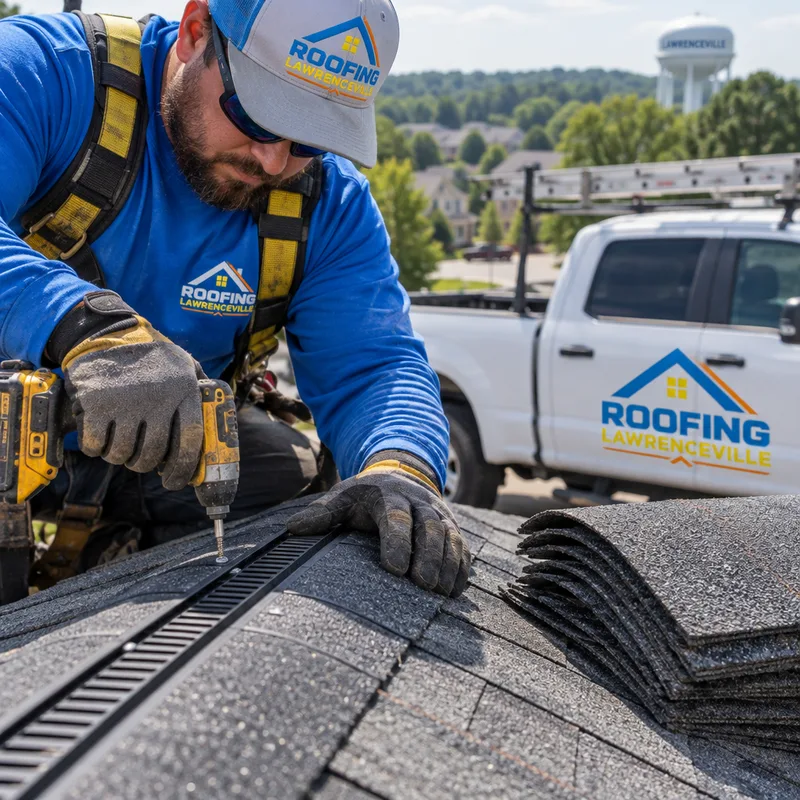
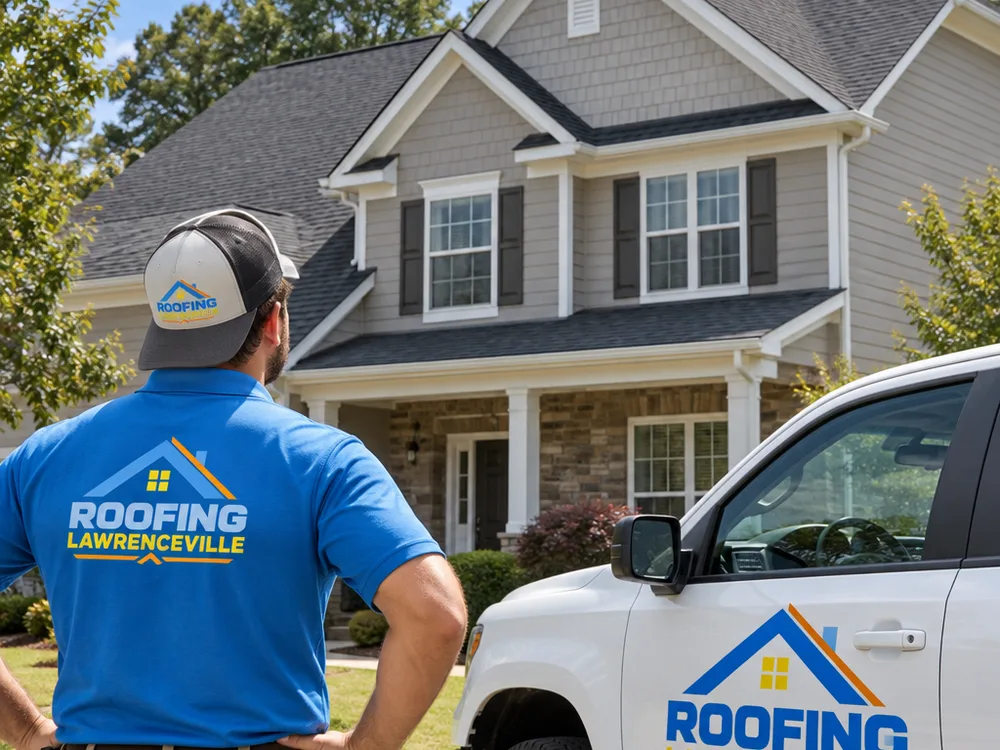
A replacement is usually considered when leaks keep returning, shingles are failing across multiple areas, or the roof has widespread wear around flashings and valleys. A contractor will look for patterns such as recurring leaks, soft decking, or multiple roofing layers that make durable repairs difficult.
Start with the roof type, its age if known, where you see staining or dripping, and whether wind or storms recently removed shingles. It also helps to mention the home's height and any chimneys, skylights, or solar mounts that affect flashing work.
Many replacement scopes include a full tear-off so the contractor can inspect the deck and rebuild underlayment and flashing details. The contractor can explain whether a tear-off is recommended for your roof and how damaged decking would be handled if found.
Damaged decking is typically cut out and replaced before underlayment and shingles go on because the new roof needs solid fastening. Ask how deck repairs are documented, what material is used, and how the roof is kept dried-in if weather changes.
A full reroof is usually a multi-day job, with the timeline depending on roof size, complexity, weather, access, staging space, and the amount of tear-off. The contractor can provide a project-specific schedule after inspecting the property.
It can if the replacement scope addresses ventilation and air movement rather than only replacing shingles. A contractor may recommend ridge ventilation, intake improvements, or sealing problem areas based on attic and eave conditions.
Ask where debris will be staged, how plants and outdoor items are protected, and how nails are collected from the yard and driveway. Also ask about driveway access, parking during the work, and what you should move ahead of time.
You call, describe the roof replacement job once, and get connected with an independent local contractor who can take the inspection and discussion from there. You work directly with the contractor on scope, scheduling, and the decision to proceed.
Pick up the phone, describe what you're seeing, and we'll connect you with a local Lawrenceville contractor who handles roof replacements and can walk you through next steps.