One conversation, then a local pro
Explain the roof problem once. We connect you with a local contractor who handles that kind of roofing work.
Serving Lawrenceville, Georgia & surrounding areas
Calls answered around the clock
Describe the roof issue once and get connected with a local roofing contractor who handles inspections, repairs, and replacements in the Lawrenceville area.
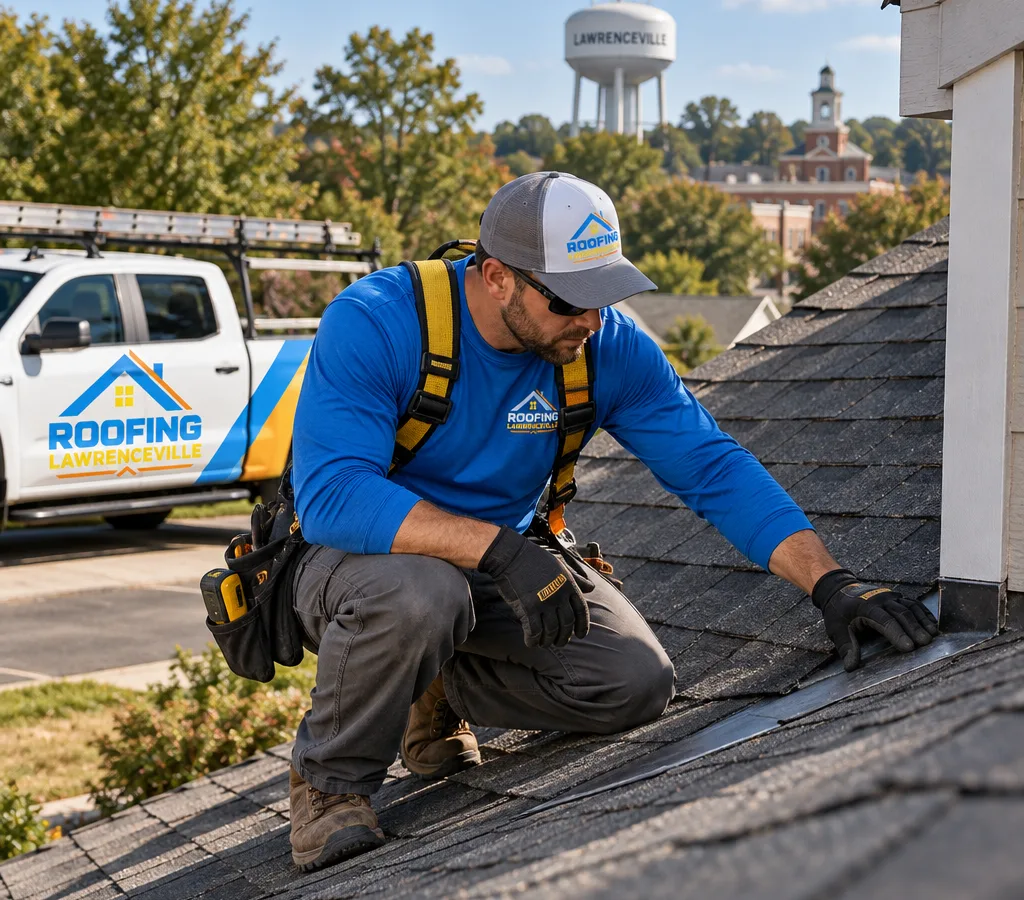
If you are searching for roofing companies Lawrenceville GA, you are usually trying to solve two problems at once: what is going on with the roof, and who to trust to handle the work. Roofing Lawrenceville is a referral service. We answer the call, take the details, and connect you with an independent roofing company in Lawrenceville that works on the type of roof and issue you are dealing with.
A good match starts with the basics. Tell us what kind of roof you have—such as asphalt shingles, architectural shingles, metal panels, or tile—what you are seeing, and whether it is a repair or you are considering a full replacement.
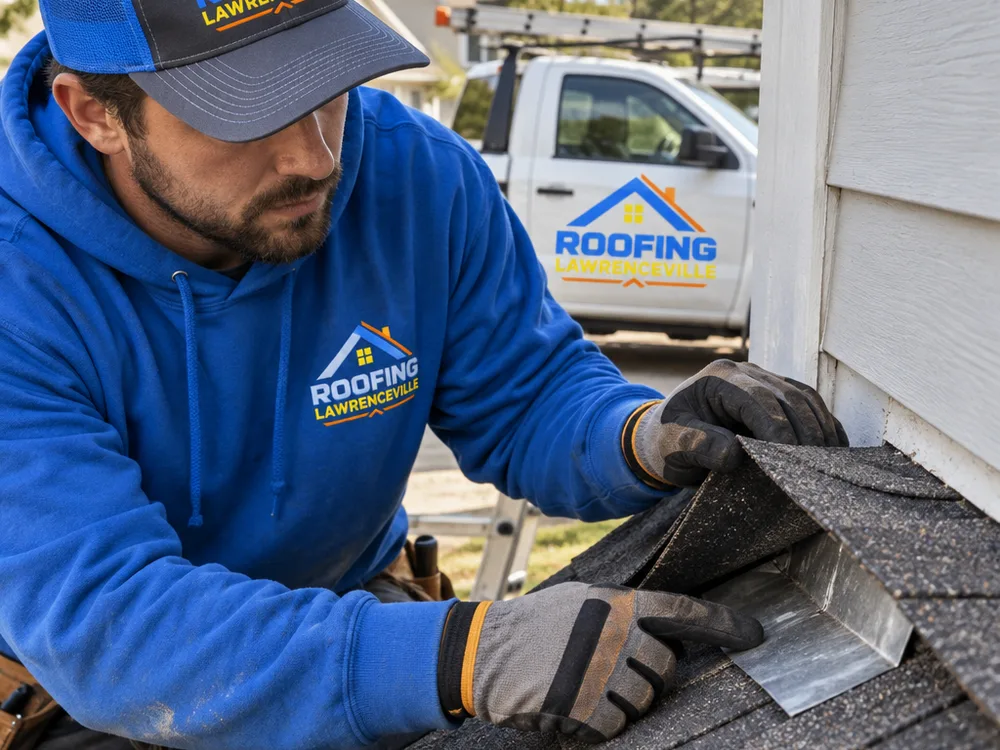
In Lawrenceville and the wider Atlanta area, roofs deal with humid summers, frequent thunderstorms, and occasional wind events that can loosen tabs, expose nail heads, or shift ridge caps. A leak is often at a penetration or transition, not in the middle of a shingle field. Common leak points include step flashing, chimney flashing, plumbing vent boots, skylight curbs, valleys, and drip edges.
If you suspect you are nearing the end of roof life, an inspection is the starting point. The roofer typically checks shingle condition, looks for soft decking, assesses ventilation, and evaluates the flashing details that keep water from backing up under shingles.
When you want the broad view of what a roofer can handle in the area, start with Roofing Lawrenceville GA and call when you are ready to describe your specific roof and get connected.
Explain the roof problem once. We connect you with a local contractor who handles that kind of roofing work.
Leak tracing, storm damage, aging shingles, ventilation questions, and full replacement all start differently. The connection is based on what you report.
You speak directly with the contractor, ask questions, and decide whether to move forward after you hear their plan for the roof.
A roofing company will want specifics like roof age, prior repairs, number of layers, and where water shows up inside. We help you organize those details on the call.
Lawrenceville roofs see heavy rain and humid attic conditions. That tends to put extra focus on flashing, underlayment, and ventilation during inspection and repair.
Share the roof type, the symptom, and how long it has been going on. Mention any recent wind or hail you noticed.
You are connected with an independent contractor in the area who handles the kind of work you described.
Expect the contractor to look at the roof surface, penetrations, flashings, and attic conditions when relevant, then walk you through repair versus replacement paths.
If you want to proceed, you coordinate scope, materials, and scheduling with the roofer who will take the job.
If water is showing up inside or shingles are missing after a storm, describe what you're seeing once and get connected with a local contractor who can take it from there.
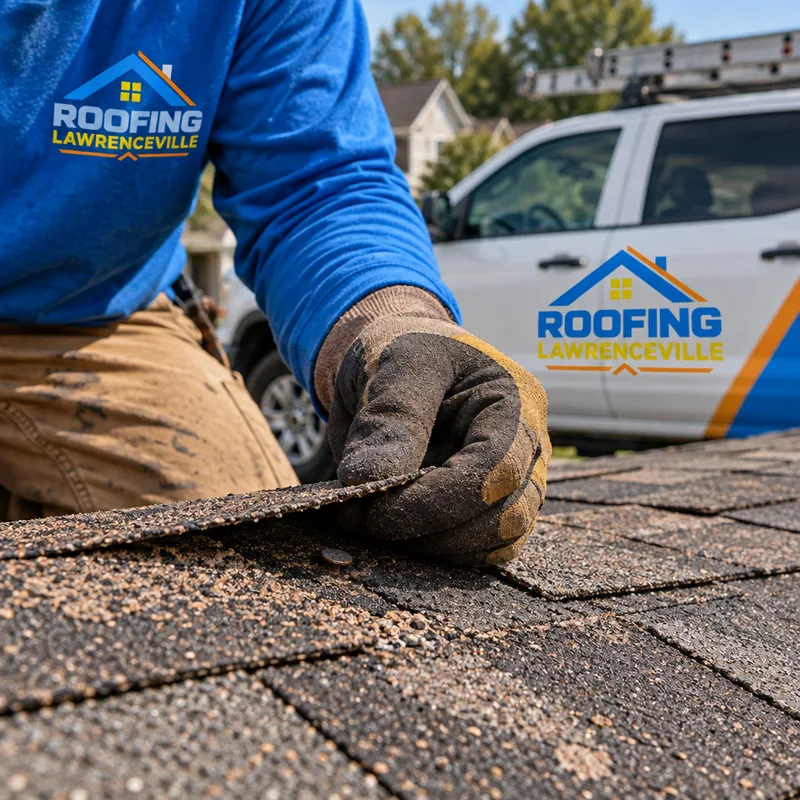
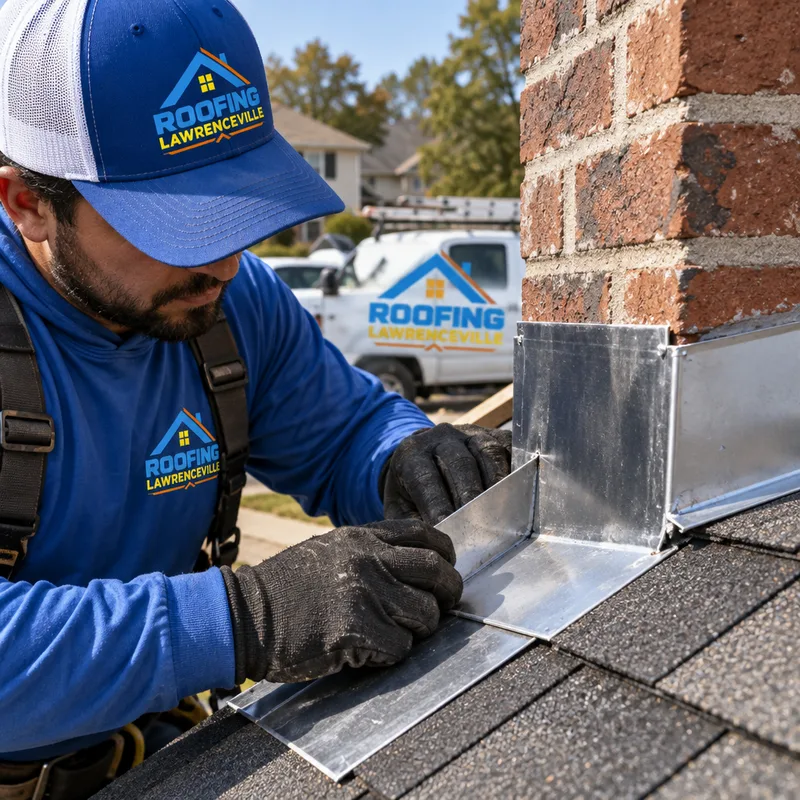
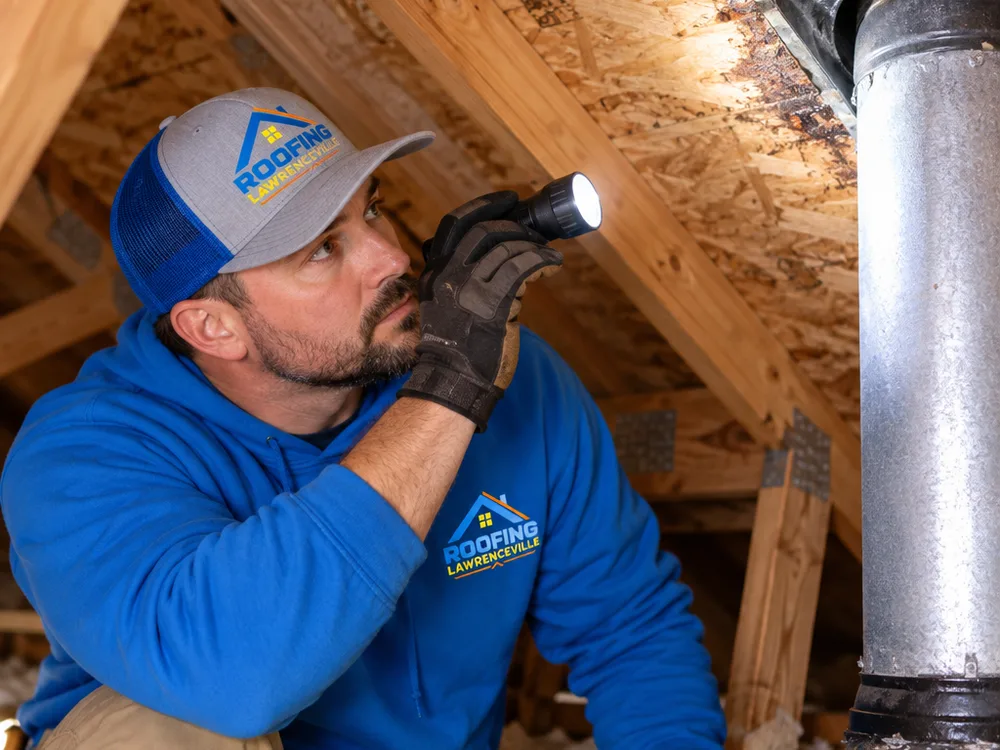
The deciding factor is whether the issue is isolated or widespread across the roof system. A roofer looks at shingle condition across multiple slopes, checks for soft decking, reviews flashing and penetrations, and considers whether previous patching is failing.
Roofers usually start at penetrations and transitions rather than the middle of the field shingles. Common checks include plumbing vent boots, chimney and wall flashing, valleys, skylights, eaves, and low-slope transitions.
Have the roof type, approximate age if known, where you see the problem inside, and what you see outside. If you can safely look from the ground, note which side of the home the issue is on.
An inspection typically checks the shingle surface, flashings, penetrations, valleys, ridge and hip caps, gutters and drip edge, and signs of moisture or ventilation issues in the attic when relevant.
A roofer may discuss 3-tab versus architectural shingles, underlayment, starter strip, ridge caps, ventilation, flashing replacement, drip edge, and how roof penetrations will be handled.
A typical repair can be completed in a short visit once the cause is confirmed, while a full replacement is often a multi-day job depending on roof size, pitch, complexity, and whether decking repairs are needed.
For many leak investigations, attic access helps confirm where moisture is entering and whether ventilation or condensation is part of the problem. Mention whether you have safe attic access and lighting.
Compare scope, not just the bottom line. Ask each contractor to spell out underlayment, flashing, drip edge, ventilation, possible deck repairs, cleanup, and exactly which roof areas are being addressed.
Pick up the phone and describe what's going on with your roof once. Roofing Lawrenceville will connect you with a local contractor who can inspect the roof, explain your options, and handle the work if you choose to proceed.